The Background Behind tk999: Online Betting in Bangladesh
Smartphones changed Bangladesh faster than almost anyone predicted. In the space of a single decade, a country where mobile internet was once a luxury became one where cheap data, affordable handsets, and widely available mobile financial services turned the phone into the centre of daily life. People bank, shop, study, and entertain themselves on the same device they use to call family. It is against that backdrop that platforms like tk999 emerged — not as a sudden novelty, but as one more service layer built on top of a mobile-first society that was already comfortable transacting online.
Understanding tk999 properly means understanding the environment that produced it. This piece is not a how-to guide or a set of predictions. It is a background read: the technological, social, and regulatory context that makes an online betting platform targeting Bangladeshi users a logical product of its time, and what a curious observer should know before deciding whether to engage with it at all.
How Mobile Internet Reshaped Everyday Life in Bangladesh
The story starts with infrastructure. For years, desktop internet in Bangladesh was concentrated in offices, cyber cafés, and universities. The arrival of widespread 3G and then 4G coverage, combined with a steep fall in the price of entry-level Android phones, moved the internet from a shared public resource into a private, pocket-sized one. By the mid-2020s, mobile connections outnumbered the population, and the majority of those connections were used for far more than messaging.
Two developments in particular mattered. The first was the normalisation of digital payments. Mobile financial services made it possible to send and receive money with a few taps, without a bank branch and without a card. The second was the rise of app culture: users learned to install, trust, and use third-party applications for things their parents would have done in person. Once people were comfortable moving money through a phone and downloading apps from outside the pre-installed set, a wide range of digital services became viable — including ones that had previously been imagined only as physical, in-person activities.
This is the soil in which platforms like tk999 grew. The product did not have to teach Bangladeshi users how to use a smartphone, how to make a digital payment, or how to trust an app. It only had to fit into habits that already existed.
From Street Corner to Screen: A Short History of Betting Culture
Betting is not a foreign concept in South Asia. Informal wagering on cricket matches, football results, and even local events has existed for generations, usually conducted through personal networks and word of mouth. The difference today is not the appetite — it is the delivery mechanism. What was once a face-to-face, cash-based, socially visible activity has become private, digital, and instant.
That shift matters for several reasons. When betting moves onto a phone, it becomes harder to observe and harder to regulate through traditional means. It also becomes more accessible: a user no longer needs to know a bookmaker or be in a particular place at a particular time. The barrier to entry drops, and the frequency of participation can rise. At the same time, the digital format introduces new kinds of risk — from data privacy to the ease of spending money that does not feel like money because it is only a number on a screen.
Platforms such as tk999 sit at the intersection of these old habits and new tools. They offer registration, a downloadable app, and a betting interface designed for the same mobile-first user who already manages money and entertainment through a handset. The category is not new; the format is.
What Makes tk999 a Product of Its Moment
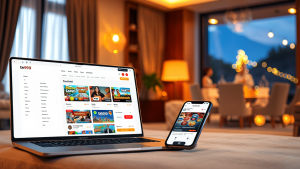
Looking at tk999 specifically, the design choices reflect the Bangladeshi market rather than a generic global template. The platform is described as an online betting platform targeting Bangladesh, offering registration and a downloadable app for gaming activities. Those two features — easy sign-up and an app — are precisely what a mobile-first audience expects. A clunky desktop-only experience would not survive contact with users who do most of their online activity on a phone.
There is also a trust dimension. In a market where online services are still relatively new, users tend to look for signals that a platform is established and responsive: clear branding, a functioning app, visible registration flow, and a name that circulates through word of mouth. tk999 positions itself within that expectation. Whether any individual platform deserves that trust is a separate question, and one that users should evaluate carefully rather than assume.
It is worth being precise about what the platform is and is not. It is a digital service accessed through a browser or an app. It is not a physical venue, and the experience is shaped by the interface, the payment flow, and the speed of the connection. For a reader trying to understand the landscape, that distinction — digital service versus physical establishment — is the single most important frame.
The Regulatory and Social Conversation Around Online Betting
No discussion of this topic in Bangladesh is complete without acknowledging the legal and social context. Gambling and betting are tightly restricted under Bangladeshi law, and the official position has generally been prohibitive. At the same time, enforcement in the digital space is genuinely difficult: platforms operate across borders, apps can be distributed through multiple channels, and users can access services through methods that are hard to monitor at scale.
This gap between law and practice creates a grey zone. Users may encounter platforms that are accessible but not formally sanctioned, and they may not have clear guidance on what protections exist if something goes wrong. Social attitudes are similarly mixed: there is cultural disapproval of gambling in many communities, alongside a long-standing informal tolerance of small-scale wagering on sports. The result is a topic that people discuss quietly rather than openly.
For anyone curious about tk999 or similar platforms, the responsible approach is to treat the legal and social context as primary, not secondary. Understanding what is permitted, what is risky, and what recourse exists is more important than any feature list. A background read like this one is meant to inform that judgement, not replace it.
Why the App Model Dominates the Category
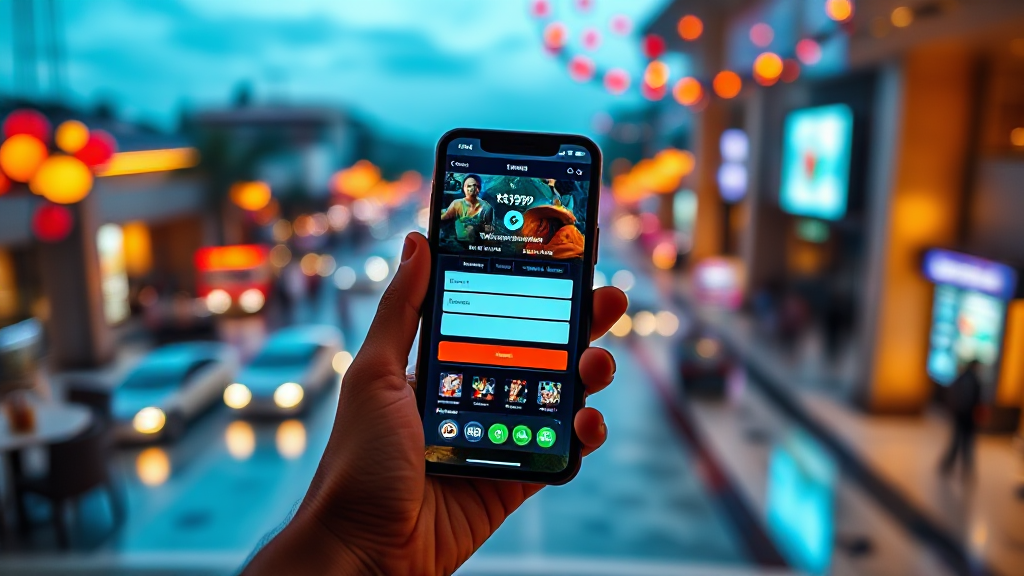
The downloadable app deserves its own attention because it is the defining feature of this generation of platforms. In a mobile-first market, an app offers several advantages over a website: faster loading, a more consistent interface, notifications, and a sense of permanence on the home screen. For users, the app feels like a product rather than a page. For platforms, it creates a direct channel that is less dependent on search engines or third-party links.
There are trade-offs. Apps require installation, which means users must trust the source. They also consume storage and data, which matters in a market where not every handset is high-end. And because apps can be updated or removed at any time, the relationship between user and platform is more fragile than it appears. A user who has registered on tk999 through the app is relying on the platform to keep that app available and functional.
The app model also shapes behaviour. Notifications can prompt engagement at specific moments; a simplified deposit flow can reduce the friction of spending; and the always-present phone makes the service available during idle minutes that would previously have been spent elsewhere. These are neutral design facts, but they have real consequences for how much time and money a user may spend.
What a Curious Reader Should Take Away
The most useful conclusion from this background is that tk999 did not appear in a vacuum. It is the product of a specific convergence: cheap smartphones, widespread mobile payments, a culture with existing betting habits, a difficult-to-enforce regulatory environment, and a user base that has learned to trust apps with money and personal data. Remove any one of those ingredients and the category looks very different.
That framing helps a reader ask better questions. Is the platform transparent about its terms? How does it handle payments and withdrawals? What happens if the app is unavailable? What does the law in Bangladesh actually say about participation? These questions matter more than any single feature, and they cannot be answered by marketing copy alone.
For those who want to look at the platform directly, the starting point is the official site, where registration and app details are described. But the background should come first. Understanding the environment — the technology, the culture, the regulation, and the risks — is what turns curiosity into an informed decision, whichever way that decision goes.
Frequently Asked Questions
What is tk999?
tk999 is an online betting platform aimed at users in Bangladesh. It offers registration and a downloadable app for gaming activities, and it operates as a digital service rather than a physical venue. Users access it through a browser or a mobile application.
Why did online betting platforms become popular in Bangladesh?
The main drivers were the rapid spread of affordable smartphones, cheaper mobile data, and the normalisation of digital payments through mobile financial services. Once users were comfortable installing apps and moving money on a phone, betting services could reach them without a physical presence.
Is online betting legal in Bangladesh?
Bangladeshi law is generally restrictive toward gambling and betting, and the official position has been prohibitive. However, enforcement in the digital space is difficult because platforms can operate across borders. Anyone considering participation should understand the legal position and the risks involved.
What should I check before using any betting platform?
Look at the platform’s terms, how deposits and withdrawals are handled, what happens if the app becomes unavailable, and how your personal and financial data are treated. It also helps to understand the legal context in your country before registering.
Does tk999 have a mobile app?
Yes. The platform offers a downloadable app, which is consistent with the mobile-first habits of its target audience in Bangladesh. The app is the primary way many users would interact with the service.